5 Essential Steps to Travel and Experience the Sardine Run in South Africa
· based on the channel ZAVID OFF
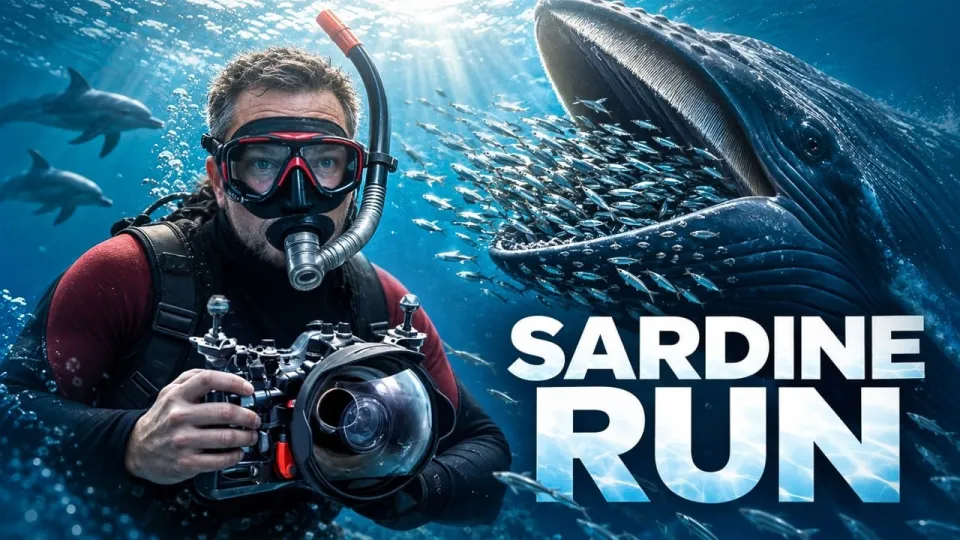
Video: I Spent a Week Chasing the Sardine Run in South Africa
The Sardine Run is one of the most spectacular natural phenomena on Earth, drawing travelers who want to witness millions of sardines migrating along South Africa's coast. Traveling to see the Sardine Run offers a unique chance to experience a massive marine feeding frenzy that includes dolphins, whales, sharks, and seabirds converging to hunt sardines packed tightly into bait balls.
How to Travel and Get to the Sardine Run
Planning your travel to the Sardine Run starts with reaching South Africa's Wild Coast, specifically the Mbotyi area. The most common route involves flying into Johannesburg or Durban international airports, followed by a domestic transfer to nearby local airfields or a road trip to Mbotyi River Lodge. This lodge serves as an ideal base because of its proximity to prime sardine migration spots and access to expert guides.
Why Mbotyi is the Best Location for Sardine Run Viewing
Mbotyi offers unrivaled access to the Sardine Run due to its position along the migration path. Here, the ocean currents and underwater topography concentrate sardines, which attracts a diverse array of predators. The region's unspoiled coastline features wild surf launches that allow boats to reach the sardine bait balls quickly. Staying at Mbotyi River Lodge gives travelers a front-row seat to this natural spectacle while enjoying comfortable accommodations.
What to Expect During the Sardine Run
The Sardine Run features millions of sardines migrating northward. These sardines form massive bait balls, which are encircled by dolphins that herd them tightly to feed efficiently. Seabirds dive like arrows from the sky, and sharks patrol the edges of the bait balls. One of the highlights is the opportunity to swim near a Bryde's whale, a rare experience that immerses travelers in the marine ecosystem. Additionally, humpback whales and bottlenose dolphins add to the wildlife diversity encountered during the event.
Preparing for the Expedition: Gear and Daily Routine
Participants should prepare for early mornings and active days. The routine includes dawn preparations, gear checks, and launching boats through surf to reach the sardines. Essential gear includes snorkeling or diving equipment, waterproof cameras, and protective clothing for ocean conditions. The tour crews are experienced in handling the sometimes rough seas, and they provide a drying room for gear maintenance. The experience is both thrilling and physically demanding.
Beyond the Sardine Run: Exploring Mbotyi and Local Culture
Apart from the Sardine Run itself, travelers can enjoy scenic microlight flights over canyons and waterfalls, including the stunning Magwa Falls that plunge directly into the ocean. Evenings at Mbotyi River Lodge provide opportunities to experience South African cuisine such as braai and borscht, and meet the founder of SEAL Expeditions, who shares insights into marine conservation and local tourism. This blend of adventure and culture makes the trip even more memorable.
Conclusion
Traveling to witness the Sardine Run in South Africa requires careful planning but rewards visitors with one of the most incredible wildlife spectacles on Earth. From flying into Johannesburg or Durban to staying at Mbotyi River Lodge and joining expert-led boat tours, the experience combines adventure, marine wildlife encounters, and breathtaking landscapes. The channel ZAVID OFF provides an honest and detailed guide that can help future travelers prepare for this unforgettable expedition. Dive into the Sardine Run and discover why it is called the biggest feeding frenzy on Earth.
Key takeaways
- The Sardine Run is the largest feeding frenzy on Earth involving millions of sardines.
- Mbotyi on South Africa's Wild Coast is the prime location to witness the Sardine Run.
- SEAL Expeditions offers guided tours with boat launches and expert crews for the event.
- Wildlife includes dolphins, Bryde's whales, sharks, and seabirds hunting sardine bait balls.
- Travel involves flights to Johannesburg or Durban, then local transport to Mbotyi River Lodge.
Source: I Spent a Week Chasing the Sardine Run in South Africa · Markdown version
Questions & answers
What is the Sardine Run and why is it special?
The Sardine Run is a massive annual migration of millions of sardines along South Africa's coast, creating the largest marine feeding frenzy on Earth, attracting dolphins, whales, sharks, and seabirds.
When and where is the best place to see the Sardine Run?
The best place to witness the Sardine Run is Mbotyi on South Africa's Wild Coast. The event typically happens annually during the Southern Hemisphere winter, with optimal viewing from this location due to ocean currents and sardine migration patterns.
What wildlife can I expect to see during the Sardine Run?
Travelers can observe dolphins herding sardines into bait balls, Bryde's whales swimming closely, humpback whales, bottlenose dolphins, sharks, and seabirds diving to catch fish during the Sardine Run.
How should I prepare for a Sardine Run expedition?
Preparation includes booking flights to Johannesburg or Durban, arranging local transfers to Mbotyi, packing snorkeling or diving gear, waterproof cameras, and appropriate clothing for ocean conditions. Joining guided tours like those offered by SEAL Expeditions ensures safety and the best experience.